Frequently Asked Questions
These FAQs focus on real cases and operational scenarios we encounter in Windsor. Each answer reflects practical steps and examples rather than theoretical claims.
Contact supportMovevia uses a scenario-based pricing approach. We assess factors such as the number and size of items, building access (elevator, stairs, narrow corridors), parking and loading restrictions, and whether packing or disassembly is required. After the assessment we provide a detailed estimate that lists labor, equipment, and optional services so you can compare practical outcomes rather than an open-ended hourly rate.
Yes. For pianos, safes, and similar heavy or awkward items we run a site-specific plan that may include additional crew members, specialized dollies, straps, and protective padding. We present a clear scenario of how the item will be moved—entry and exit points, required disassembly or hoisting, and estimated time—so you understand the approach before the move day.
Being present is helpful for final walkthroughs and decisions on placement, but it is not always required. For pre-arranged moves, we agree the plan in advance, identify a local contact when necessary, and confirm access instructions. Practical cases we've completed include clients who provided building access codes and delegated placement decisions to our team, with follow-up photos and a summary report.
Booking windows depend on seasonality and the complexity of your scenario. For typical residential moves in Windsor, booking 2–4 weeks ahead secures preferred dates. For large commercial moves or specialty-item moves (pianos, antiques) book as early as possible to allow for planning and any permits or hoisting arrangements.
We offer modular packing services tailored to the scenario: full packing, fragile-only packing, and supply-only options. Practical packing cases include wrapping furniture in protective blankets for truck transit, disassembling beds and large shelving units for safer transport, and boxing fragile kitchenware with labeled contents to streamline unpacking.
Standard protections include door jamb covers, floor runners, padded furniture covers, and corner guards. For constrained scenarios such as narrow hallways or tight stairwells we add extra padding and use specialized carry techniques to avoid abrasion. Each protection step is listed in the pre-move plan so you can review them before work begins.
Yes. Our crews are trained in multi-floor carry techniques and use team lifts, stair climbers, and protective equipment. For exceptionally large items, we evaluate alternate strategies—temporary disassembly or exterior hoisting—and present the safest, most practical option for approval.
We discuss liability coverage and recommend reviewing homeowner or renter policies for additional protection. For moves involving high-value items, we outline available carrier coverage levels and document item conditions with photos during the pre-move assessment so the scenario is transparent and well-documented.
Duration varies by scenario: a one-bedroom condo move with elevator access can often be completed in 2–4 hours, while a three-bedroom house with multiple large items and disassembly needs may take 5–8 hours. Our estimates include a time range based on comparable past cases so you can plan realistically.
We build contingency steps into each scenario plan. If access changes—e.g., unexpected elevator outages or parking restrictions—our crew leader will consult with the contact person, propose practical alternatives (temporary rescheduling of an elevator window, alternate loading location, additional crew) and document the agreed path forward before proceeding.
Yes. Movevia partners with local storage providers to offer short-term holding when a staged delivery is required. For example, in a case where a client’s new suite is not ready, we can deliver and store items for an agreed period, providing an itemized inventory and access plan to retrieve belongings on scheduled dates.
Practical prep steps include clearing pathways, removing loose items from furniture drawers, securing doors and windows, and measuring stair widths and doorway clearances when possible. For complex scenarios, our team provides a checklist during the booking process to reduce delays on moving day.
We follow safety and legal guidelines and do not transport hazardous materials (e.g., flammable liquids, corrosives) or perishable goods. We discuss any borderline cases during the scenario assessment and suggest safe alternatives for disposal or specialized transport.
For moves that require special parking or loading arrangements, we prepare the necessary documentation and coordinate with building management or municipal authorities when applicable. Case examples include short-term loading permits for street-side hoist operations and reserved parking requests for large multi-truck loads.
The final walkthrough verifies that all items listed on the inventory are delivered and placed as requested, that furniture is reassembled if applicable, and that the premises are left in the agreed condition with protective coverings removed. The crew leader documents completion details and captures photos for the move record.
Practical Case Studies from Movevia
Selected cases illustrate how Movevia plans and executes moves in Windsor. One recent scenario on 18-02-2026 involved a third-floor condo with no loading dock: we scheduled a morning elevator window, staged furniture protection to fit the elevator dimensions, and completed the move with a two-person crew and a small truck to reduce building disruption. Another example addressed a mid-size office reconfiguration where timing had to align with business hours; we staged overnight partial moves and worked in phases to keep operations running. These cases show how a scenario-first approach minimizes surprises and optimizes crew allocation.
Request a case assessment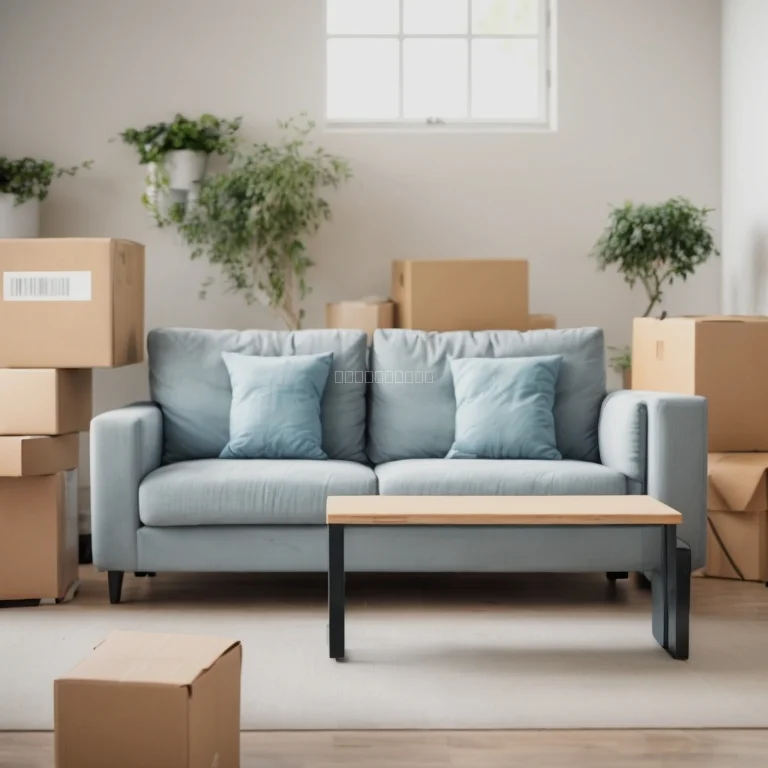
Case: Downtown Condo Move (Elevator Window)
Scenario: third-floor condo, elevator available only during specific windows. Solution: pre-move measurement, scheduled 30-minute elevator blocks, modular packing to fit elevator dimensions, two-man crew on-site for loading and unloading. Outcome: move completed within the scheduled window with minimal building impact; client feedback focused on communication and efficient sequencing.
Explore case studies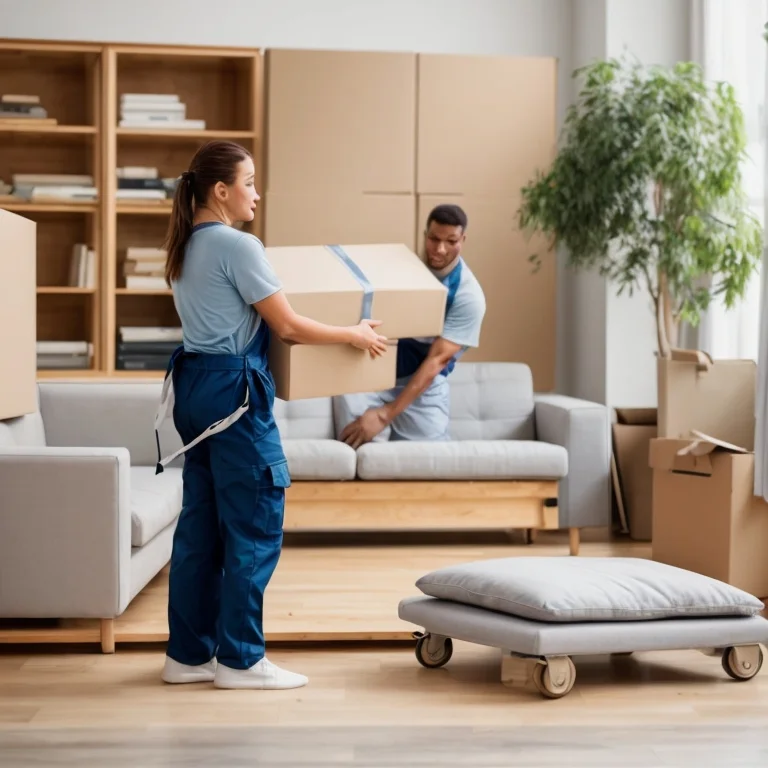
Case: Small Office Reconfiguration
Scenario: 12-desk office needing phased relocation to avoid downtime. Solution: inventory and labeling, staged packing after business hours, overnight transport of bulky items, daytime returns of workstations. Outcome: staff returned to full operation with desks placed and equipment reconnected according to pre-agreed layout.
Learn about services